
African Beignets (Puff Puff Recipe)

These African Beignets (also known as Puff Puff) are light, pillowy fried treats made with self-rising flour and a touch of sweetness. Served warm, they pair beautifully with coffee, tea, or a dip in peanut butter.
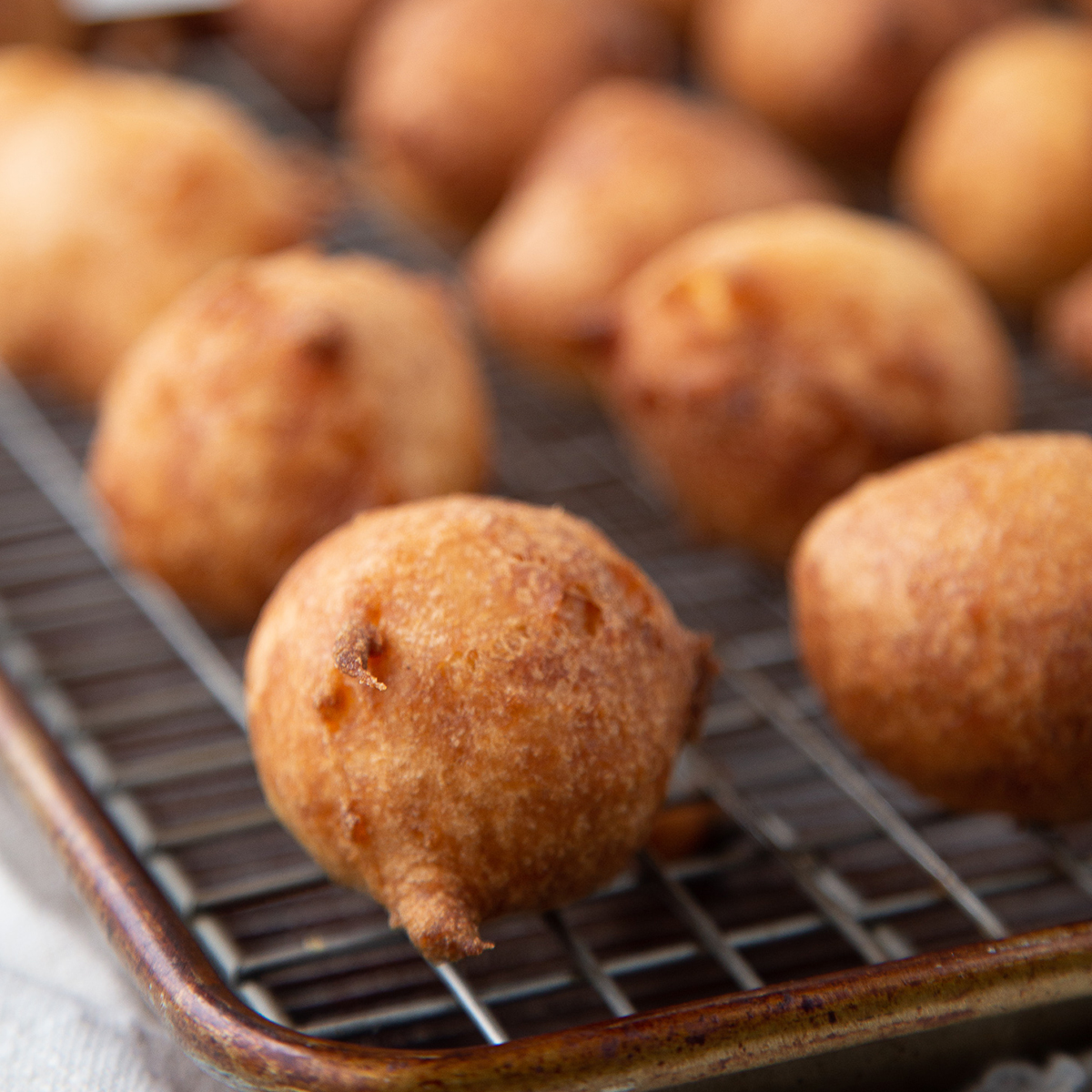

This recipe for African Beignets is courtesy of my sister-in-law, who is from the Democratic Republic of the Congo. My husband Longe has fond memories of eating these as a child (he also moved to the U.S. from the Congo) so I make them occasionally for him.
Longe knows them as “mikate”, but in other parts of Africa they are known as puff puff. I love that they’re made with self-rising flour, so you don’t have to wait for yeast to rise. You just stir the batter together, fry, and serve.
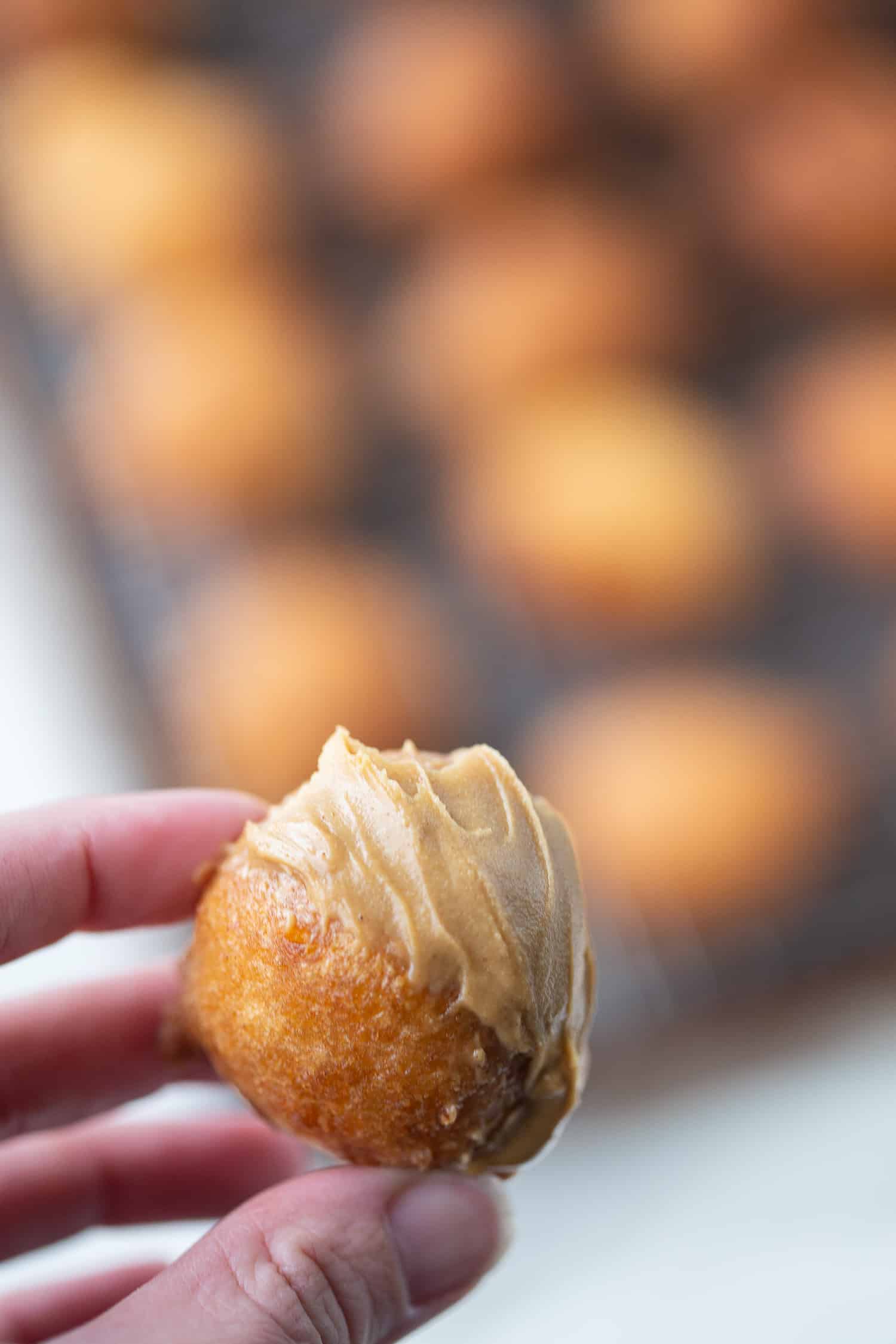
They’re made with more sugar than a New Orleans-style beignet, so they don’t need a coating of sugar on top. Instead, they are traditionally served with peanut butter for dipping. My husband is partial to Skippy peanut butter with honey (the honey really does complement them nicely).
This post contains affiliate links. Please see my disclosure page for more information.
Jump to:
Ingredients for beignets (also known as puff puff)
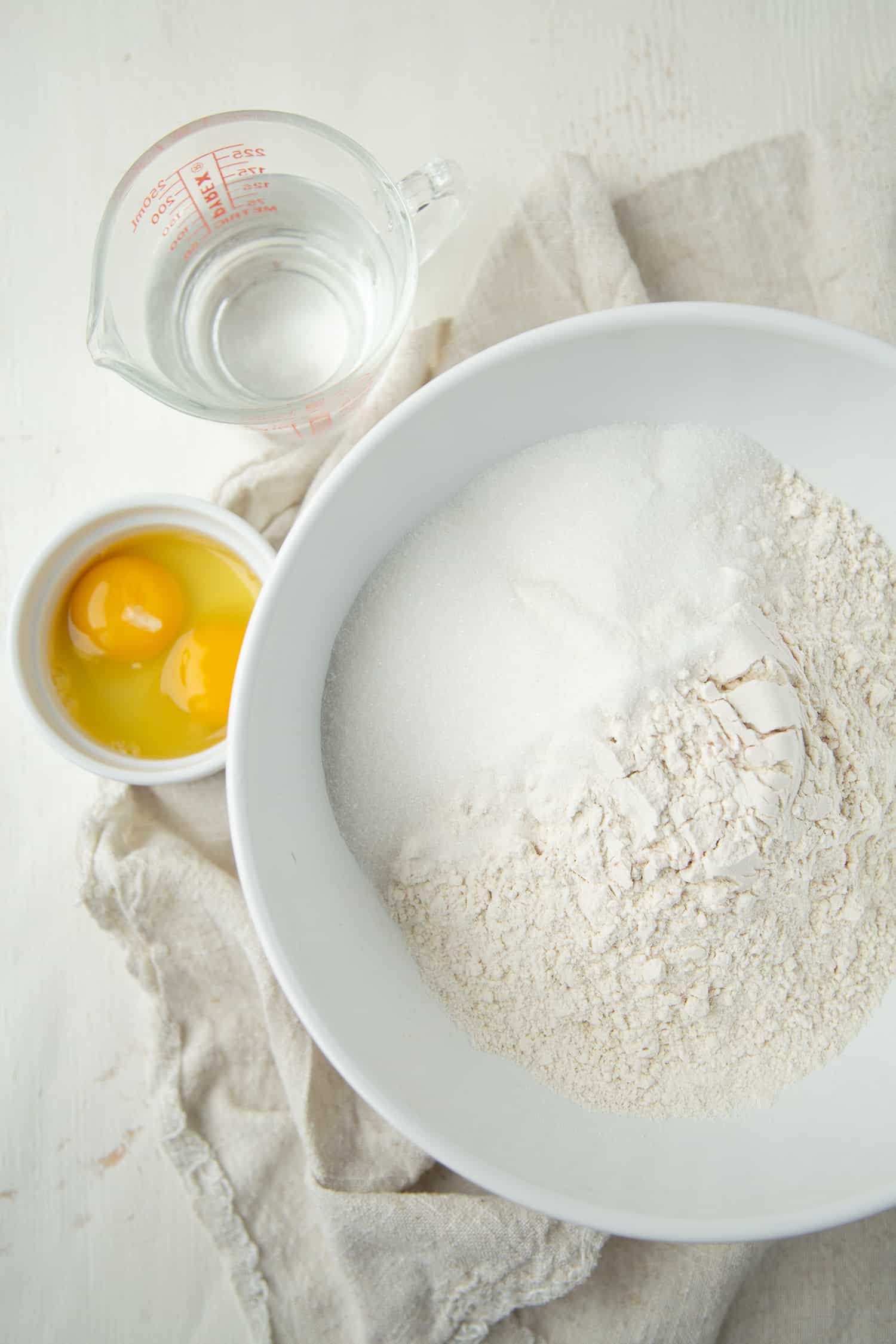
- Self rising flour will cause the batter to puff up in the hot oil. Check the “notes” section in the recipe card for a substitute if you only have all-purpose flour.
- You’ll also need oil for frying. Vegetable oil, canola oil, corn oil, or peanut oil are all good choices.
Want to save this recipe?
How to Make African Beignets
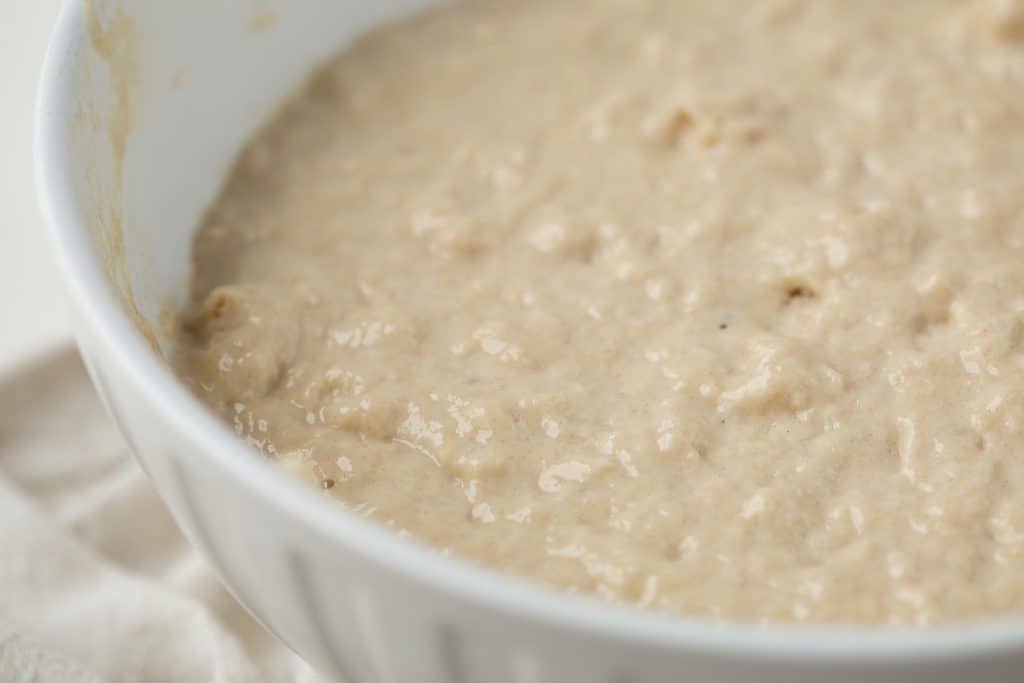
- Combine the flour, sugar, eggs, and water in a large bowl until smooth.
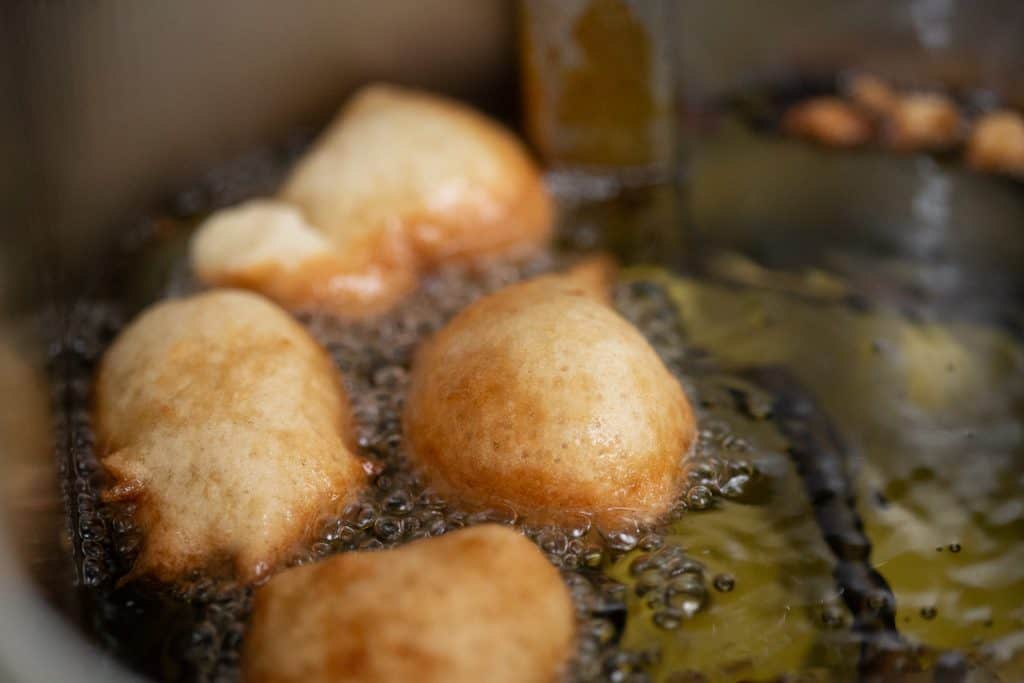
- Drop spoonfuls into hot oil (400°F). I like using a cookie scoop to get nice round balls. After two minutes, flip the beignets. I like using a spider tool for flipping and removing the beignets. Let cook for 2 minutes more and remove.
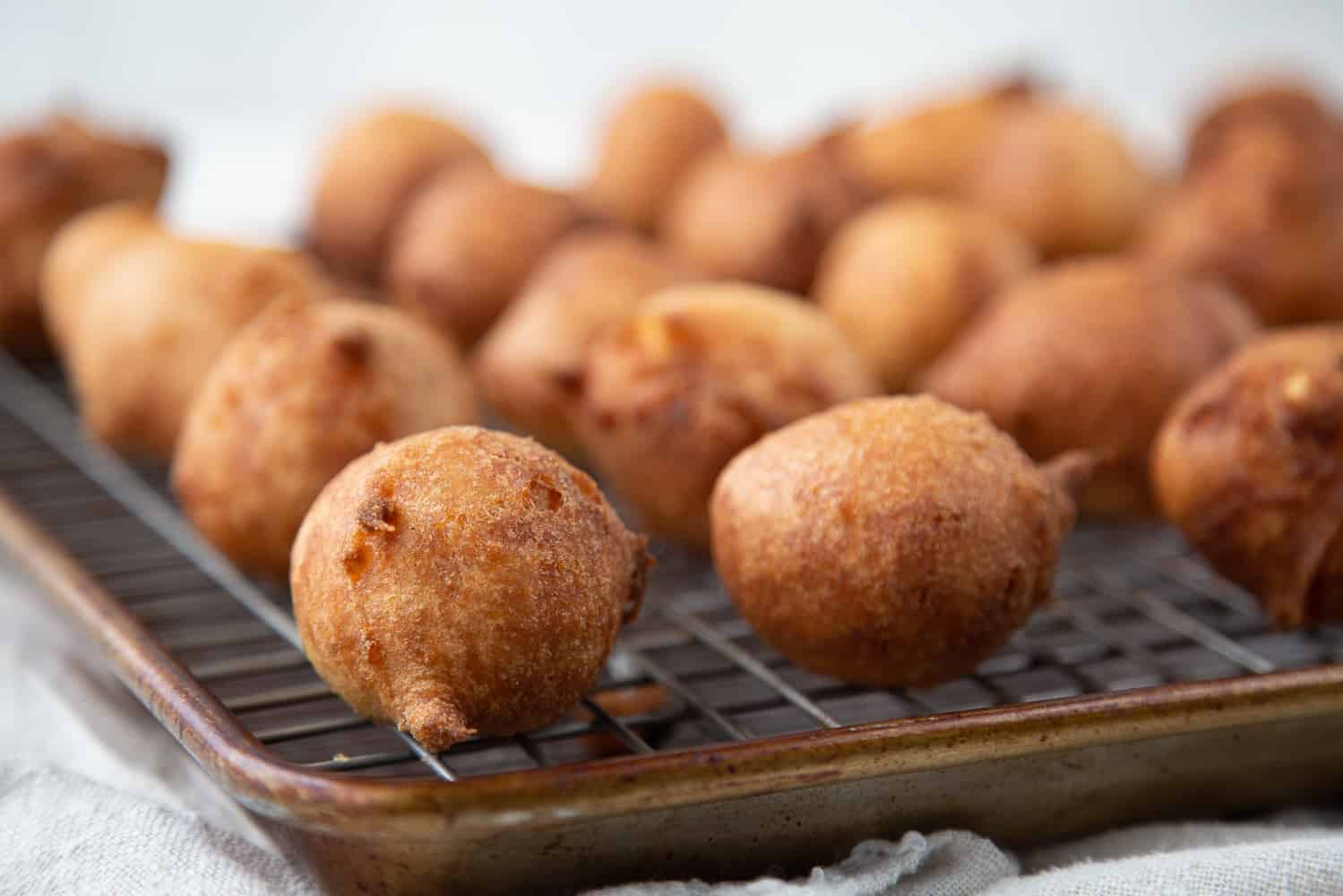
- Let cool slightly on a wire rack. Serve warm or at room temperature.
If you're sensitive to the smell of fried food in your home, use a fryer with a lid. I have this fryer and the lid is super helpful in keeping smells to a minimum. It's also really easy to use.
FAQs
Yes. Place the beignets in a single layer on any pan that will fit in your freezer. Freeze for one hour, then transfer the beignets to a zip-top freezer bag. Seal the bag tightly. The beignets will keep in the freezer for up to 3 months.
Preheat an oven to 350°F. Place beignets in a single layer on a sheet pan. Heat for 5 minutes, then remove from the oven and serve immediately. If heating from frozen, put them in the oven for 10 minutes. Do not microwave them, which will make them tough and chewy.
Serving suggestions
Beignets are best served on the day they are made. You can eat them plain, sprinkle them with powdered sugar (New Orleans-style), or you could do it the African way: dip in peanut butter with honey.
If you’re on the hunt for another African recipe, don’t miss Pili Pili-an African hot sauce that is SUPER spicy!
📖 Recipe
African Beignets
Ingredients
- 5 cups self rising flour
- 1⅔ cups granulated sugar
- 2 eggs
- 2⅓ cups water
- Canola or vegetable oil for frying
Instructions
- Heat oil to between 350°F and 375°F in a deep fryer or a large pot on the stove. The temperature will fluctuate as you add the batter-that is ok!
- In a large bowl, combine the flour and sugar.
- Whisk the eggs together, then stir the eggs and the water into the flour and sugar mixture. Stir gently just until combined.
- Use a cookie scoop to place the batter into the hot oil. I put about 5-6 spoonfuls into the oil at one time. Allow to cook for 2 minutes, or until deep golden brown. Then flip using a spider tool or slotted spoon. Sometimes the beignets will flip on their own.
- Allow to cook for an additional 2 minutes, or until deep golden brown on the other side. Then remove using the spider tool or a slotted spoon. Place on a cooling rack to cool.
- Serve warm or at room temperature on their own, or with honey peanut butter.

These are so good! Thank you for sharing the recipe!
Thanks for your review, Kenny!
Hi! Looks delicious. Is there an option to this recipe using regular flour? I can’t find self-rising where I am. 🙏 Thank you for all of your recipe findings!
Yes! For every cup of self-rising flour, substitute 1 cup of all-purpose flour, 1 teaspoon baking powder, ½ teaspoon salt, and ¼ teaspoon baking soda. Thank you so much for being here!